Tuck-end direction
A paperboard carton with tuck flaps, considered around product access and packing.
What we will check
Review the top and bottom closure, dust flaps, fit and the packing sequence.
 PACKAGING, CONSIDERED.
One dieline per fit. One approval per artwork.
We supply custom folding cartons made in China. Plan custom printed paperboard cartons for individual products and coordinated ranges. Start with the product dimensions, closing method and packing operation, then define paperboard, artwork and quantities per SKU.
Made in China. MOQ 500 pieces. No finished artwork needed to start.
Rigid, folding or collapsible? Compare the constructions ↗︎
A starting brief for your quotation
Minimum order: 500 pieces for all box types. Please list quantities by size and artwork. No finished artwork needed to start. Get a quote ↗︎
Your written quotation defines the scope and exclusions for the actual project. Check delivery responsibilities ↗︎
Ordering several carton sizes or designs? Plan the range, quantities and file versions ↗︎
Choose the presentation that suits your product. We can develop the structure, insert and finish around the details you share.
A paperboard carton with tuck flaps, considered around product access and packing.
What we will check
Review the top and bottom closure, dust flaps, fit and the packing sequence.
A carton base designed around a specific assembly and loading sequence.
What we will check
Review the intended load, locking or gluing arrangement and the actual filled sample.
A printed paperboard sleeve around an existing tray, box or product.
What we will check
Define what supports the product; a sleeve alone is not a complete protective pack.
A cleanser tube, serum bottle and cream jar need different clearances and support. We develop the carton around the finished container, then check how it loads, closes and opens.
Include the sealed end, widest body and closed cap in the fit. The tube should load without catching its crimp, while the carton closes without pressing the contents or changing the tube shape.
Sample check: loading direction, base support and grip when removing the tube.
Measure the bottle with the complete dropper or pump. Review a paperboard insert when the bottle needs a defined position or clearance around a projecting closure.
Sample check: filled weight, support points and removal without pulling on the dropper.
Use the widest lid and filled jar weight to develop the carton. Check the selected base construction with the real jar; a snug-looking empty carton does not establish load support.
Sample check: bottom closure, lid clearance and access to lift the jar out. Load and remove the filled jar in the agreed sample.
Compare tuck, snap-lock and auto bottoms ↗︎Tuck bottom: close the bottom flap during packing; review the closure and loading direction for each product.
Snap-lock bottom: interlock the bottom flaps when erecting the carton; allow for that assembly step and check that the flaps engage fully.
Auto bottom: a pre-glued base opens into position as the carton is squared; review glue joints, folded thickness and how it works with your packing process.
Start with the filled product weight, carton size, board and who will assemble the boxes. Check the chosen dieline with the actual product or an agreed equivalent; the bottom name alone does not establish load or shipping performance.
Compare bottom constructions and discuss your choice ↗︎Share the brand rules; fit each product separately. A common logo position, typography and colour palette can connect a cleanser, serum and cream, while each finished container needs its own dimensions, closure and loading check.
List each SKU before quoting. Send the filled product dimensions and weight, expected quantity, artwork version and any colour or finish differences for each carton. Mark unknowns as open; sales can discuss the order and sample arrangements with you.
Approve the right version. Review the dieline, product fit and text for each SKU, then compare colour and finishes across the range on the proposed board. Confirm packing and transport requirements separately.
See the cleanser, serum & cream carton range ↗︎Plan quantities and artwork by SKU ↗︎See printing equipment in the workshop ↗︎Review print and colour checks ↗︎Discuss my carton range ↗︎Compare the board grade, caliper and grain with the carton size, filled product and selected closure. Paper weight alone does not describe stiffness or the behaviour of a crease. Check fine text, colour and any foil or embossing on the proposed stock.
A folded paperboard insert can locate the product inside the carton. Its contact points, assembly and removal access need a fitted sample. Assess transport protection with the complete shipping pack.
Prepare a box and insert brief ↗︎Explore the feel, the printed look and how your product sits inside. Choose a starting direction; the final combination is reviewed with your box and sample.
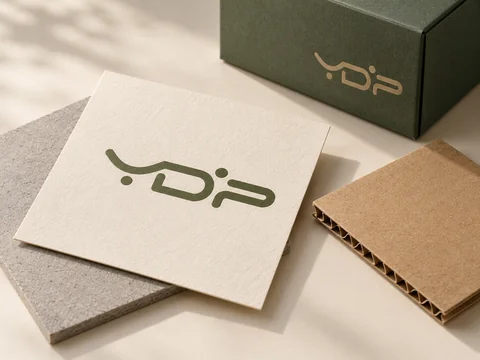
Define paperboard grade, caliper, grain and print surface with the dieline. Review creases, glue areas and the filled carton before approval.
Explore materials ↗︎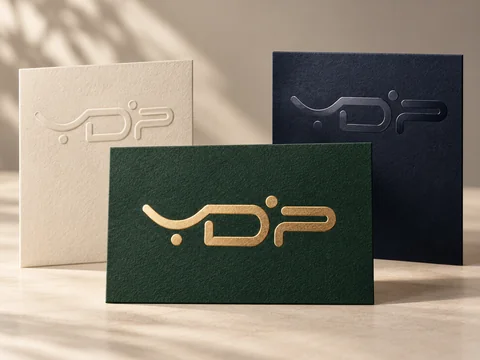
Discuss printed areas, colour references and the intended finish, such as foil or an embossed detail. Mark each finish on the artwork and confirm its compatibility with the selected paper before approval.
Explore finishes ↗︎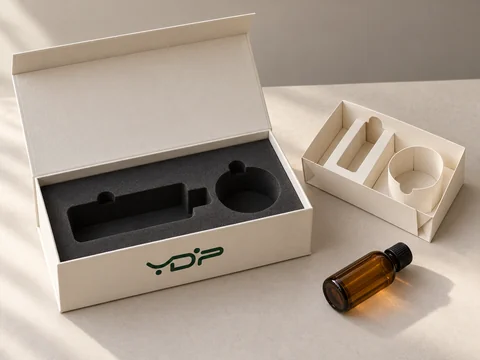
Decide whether the carton structure supports the product or needs a separate insert. Check loading, removal and closure with the actual contents.
Explore inserts ↗︎Standalone insert orders need a scope review. A fitted display sample does not by itself establish transport performance.
Use the insert preparation guide ↗︎Discuss your box and insert ↗︎Have a reference photo? Share it with your product. You can leave material and finish choices open.
Discuss my materials & fit ↗︎Start with board, creases, glue areas and closure with the filled carton. Then see the relevant work, manufacturing route and order steps.
Share your product or reference photo. We can discuss a suitable construction and which physical samples or project details are available for your review.
Ask about a comparable sample ↗︎Packaging references:
Three Skincare Products. One Carton Family. ↗︎Physical samples confirm fit, materials and your specification.
 02 / MAKING & CHECKING
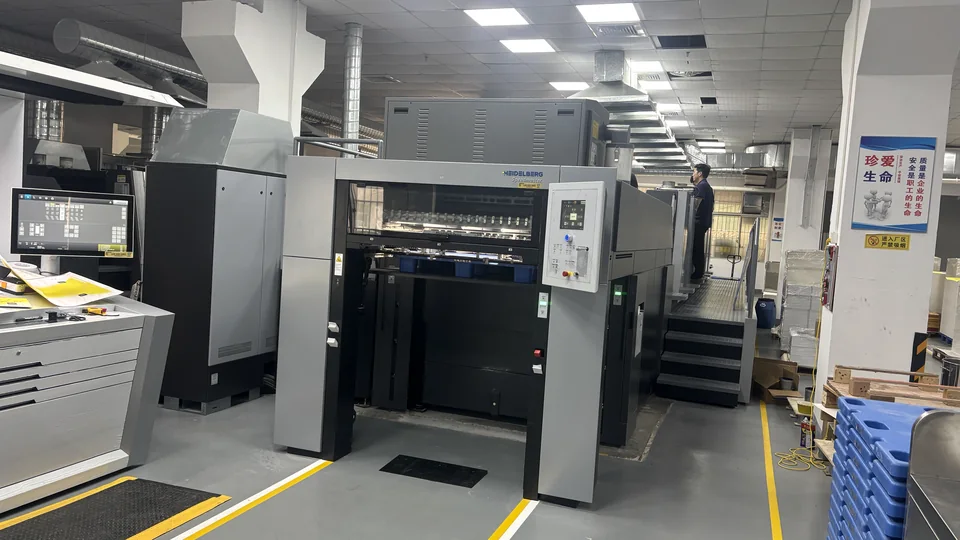
YDP supplies this packaging made in China. See recorded workshop footage and discuss the material, forming and quality checks for your order.
Review Factory & Quality ↗︎Review the proposed sample and approval steps, who confirms changes, and how packing and delivery responsibilities are agreed.
See the order steps ↗︎Check who you would work with ↗︎Build these checkpoints into your project agreement. Inspection scope, timing, fees and remedies are confirmed for each order.
Factory responsibilities & quality checkpoints ↗︎
Agree the sample version, materials, artwork, finish and product-fit checks. Record which differences remain between a development sample and production.
Versioned sample scope, approval record and production specification.
Discuss this for my order ↗︎Work back from the required receiving date. Confirm approval dependencies, dispatch assumptions, freight scope and destination responsibilities before committing.
Approval milestones, dispatch plan, shipping exclusions and receiving requirements.
Discuss this for my order ↗︎Keep the order reference, affected quantities, carton labels and photographs. Agree containment, investigation and the proposed disposition against the order specification.
Issue record, supporting evidence, agreed corrective action and reinspection where applicable.
Discuss this for my order ↗︎Share a photo or drawing, dimensions with units, quantities per design and the destination. Leave unknown details open.
Request a quote ↗︎Provide product dimensions and weight. Board grade, caliper and grain direction need review with the crease and closure design.
Keep cutting, crease and glue areas distinct. Provide one controlled dieline and approved artwork version for each size or printed variant.
State manual or machine packing, flat or erected supply, SKU identification and bundling. Trial the actual loading and closing sequence.
No. A folding carton is a paperboard construction; a collapsible rigid box uses a different board and assembly structure. Compare them against the same product and packing brief.
Our minimum order is 500 pieces for all box types. Provide quantities by size and artwork so we can confirm the scope of a mixed-design order.
No direct-contact approval is implied. State the contents and intended contact so the material and documentation scope can be reviewed before any commitment.