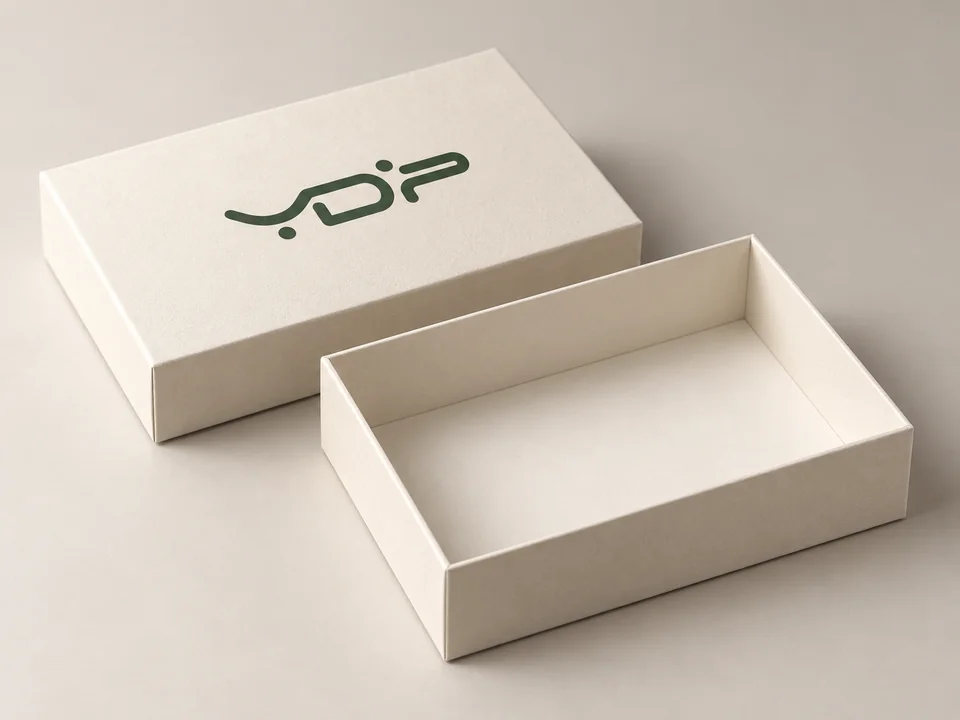
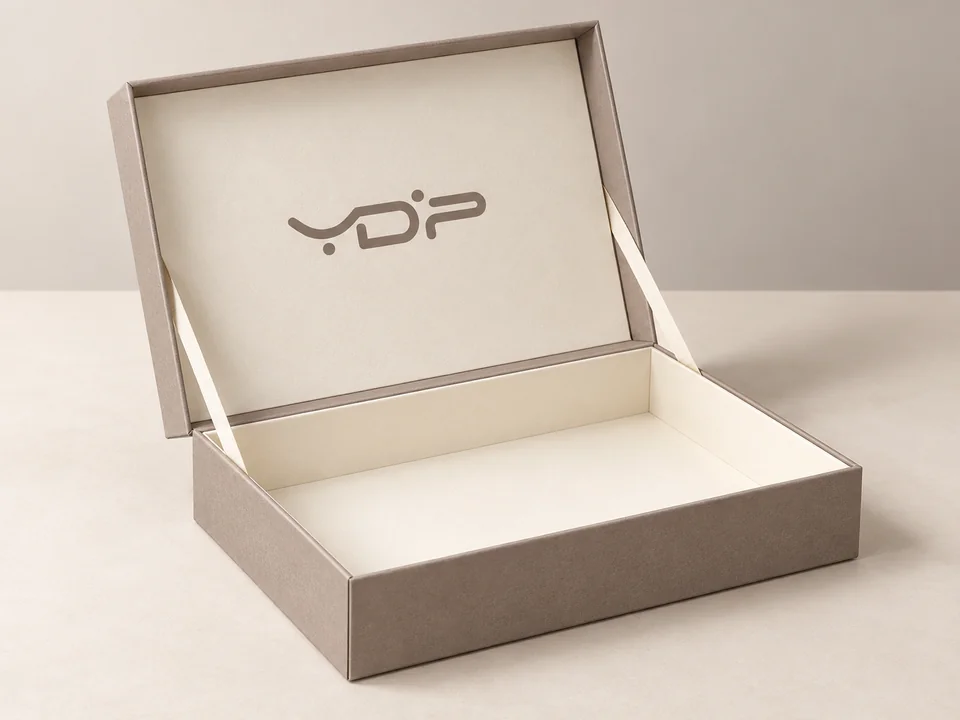
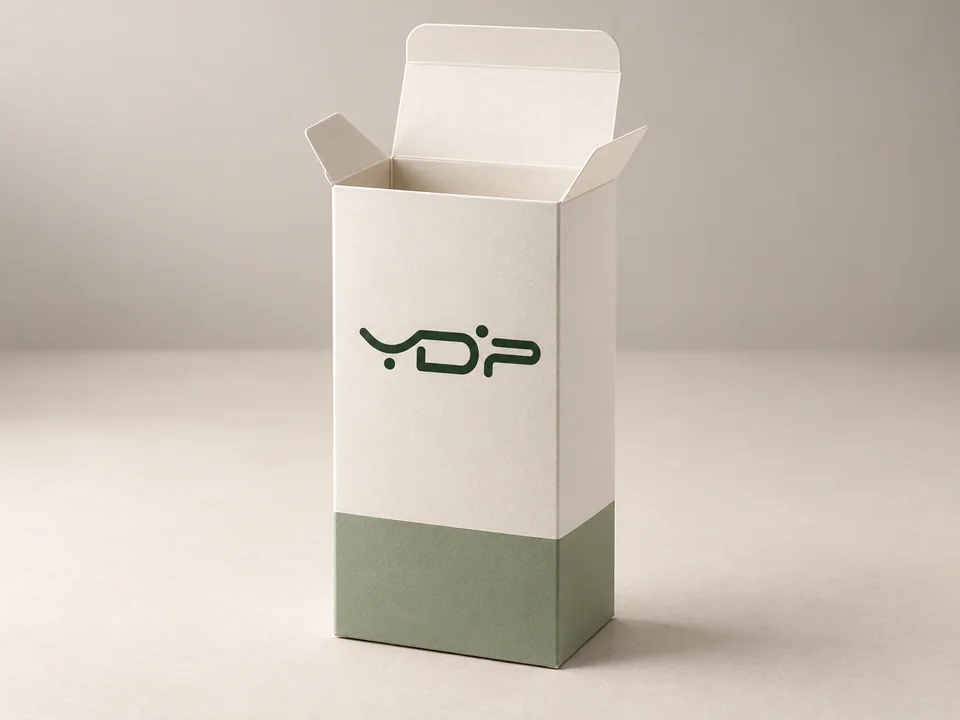
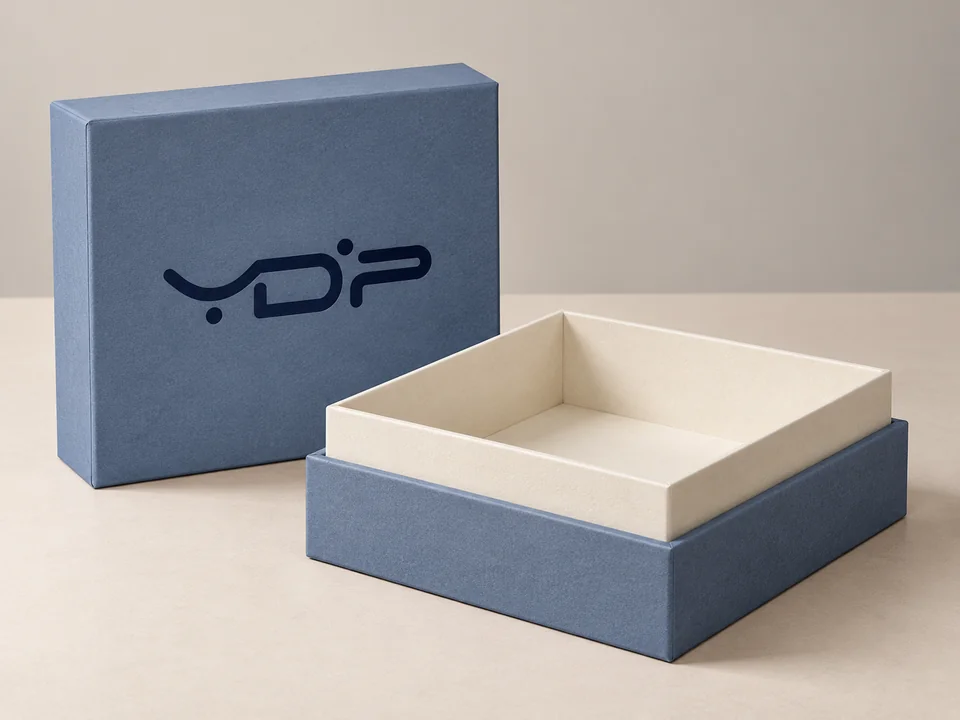
Search by a familiar name or browse the list. Use an option as your current preference; you can change it while exploring. A photo is enough if you do not know the terminology.
How saving works: Keep one current box structure or opening. Magnetic closure and windows can be added as features.
How to read this list: Ten entries describe a box construction or opening. Magnetic closure and window are combinable features. Open the variant notes for supply format and sample checks; these starting points do not limit the structures we can review.
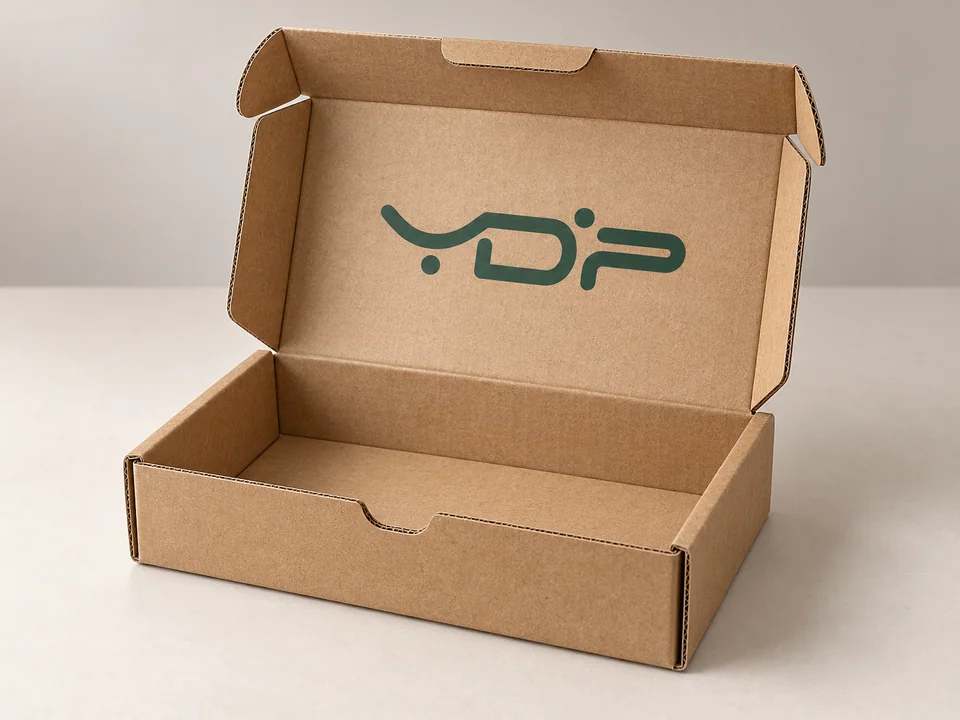
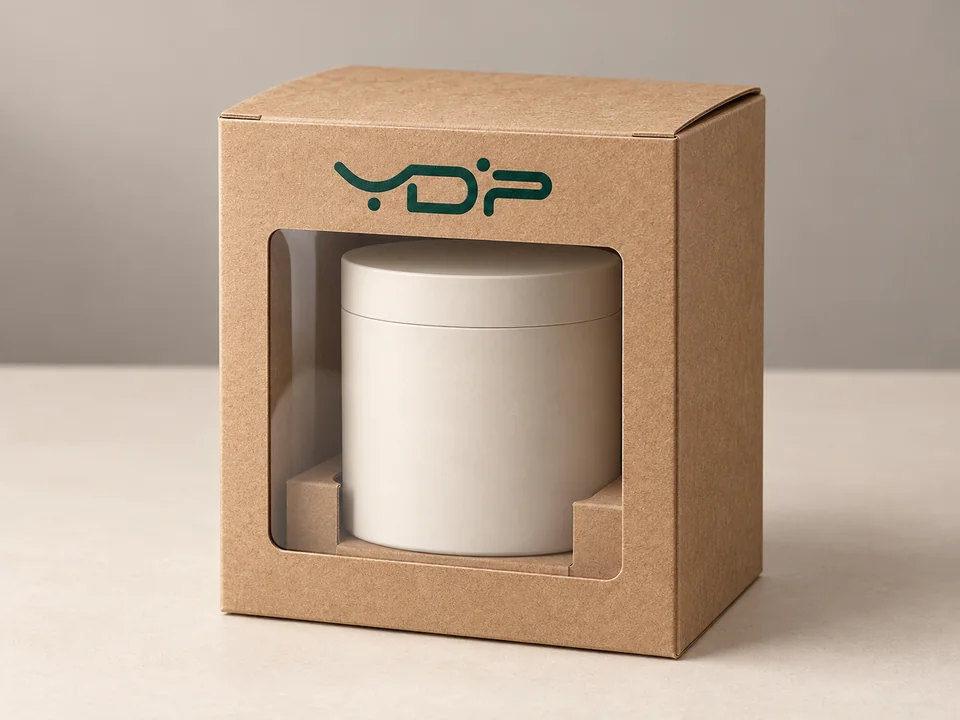
Top and bottom tuck flaps create a compact carton around the product.
Consider for: Individual retail products, beauty ranges and lightweight accessories.
Variants & sample checks
Supply format Usually side-seam glued and delivered flat. Confirm erection, product loading direction and whether bottom assembly is manual or pre-glued.
Straight tuck end / STE
Top and bottom main tuck flaps hinge from the same side panel.
Reverse tuck end / RTE
Top and bottom main tuck flaps hinge from opposite side panels.
Different bottom needed?
Snap-lock and glued crash-lock bottoms are separate constructions. Compare them below rather than treating every carton as double-tuck.
Check on the sample
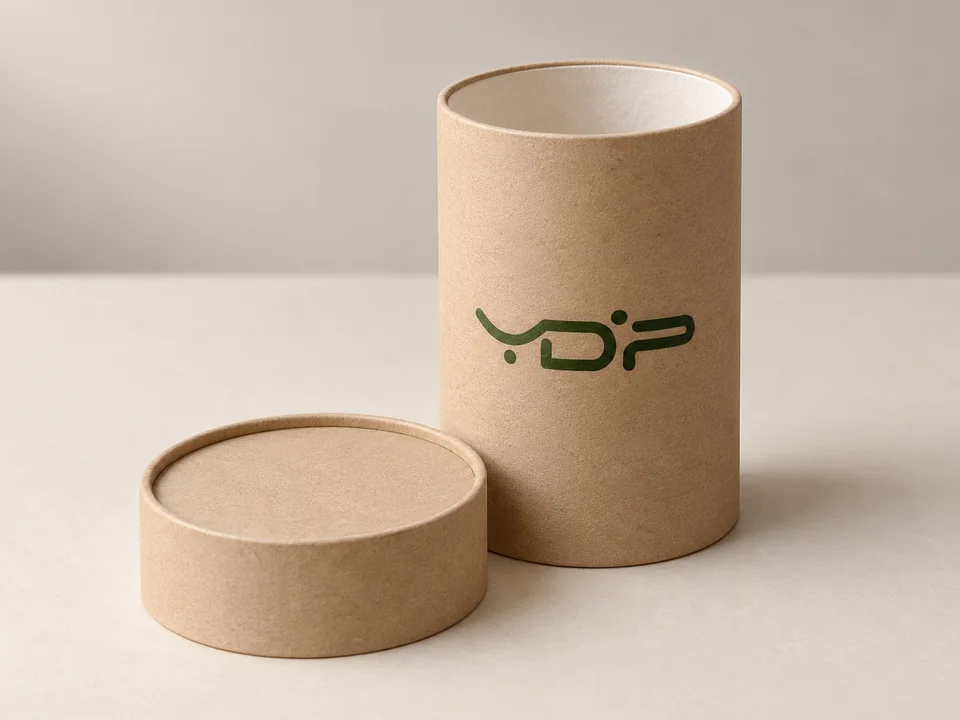
Include the cap, sealed tube end and filled weight in the product brief.
Choose the bottom from the loading method and intended product load.
Review flap engagement, board creasing and artwork orientation on the dieline.
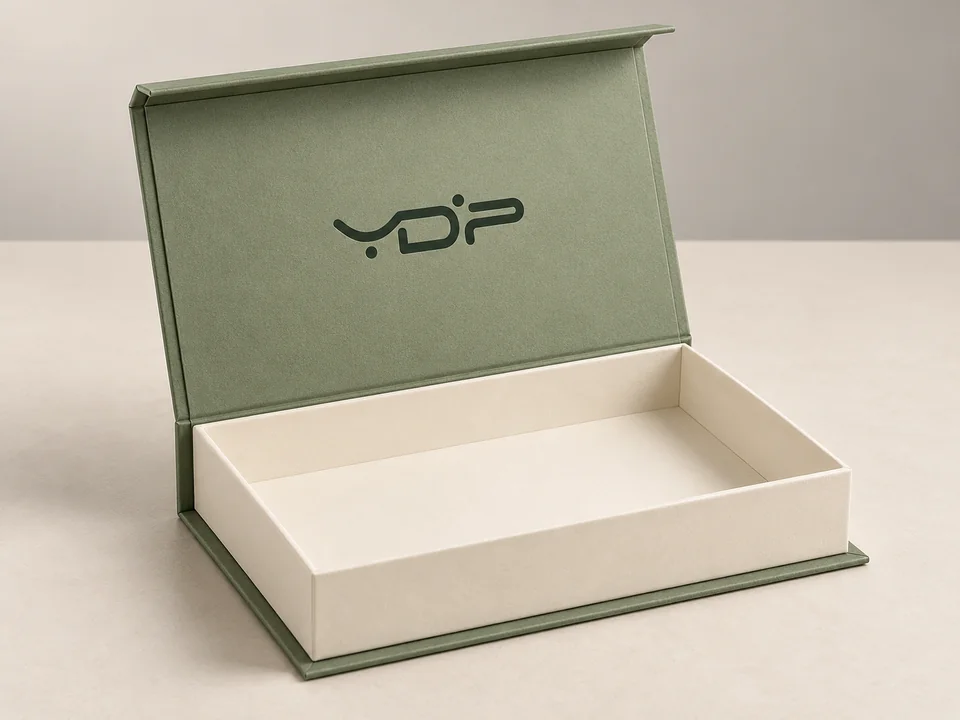
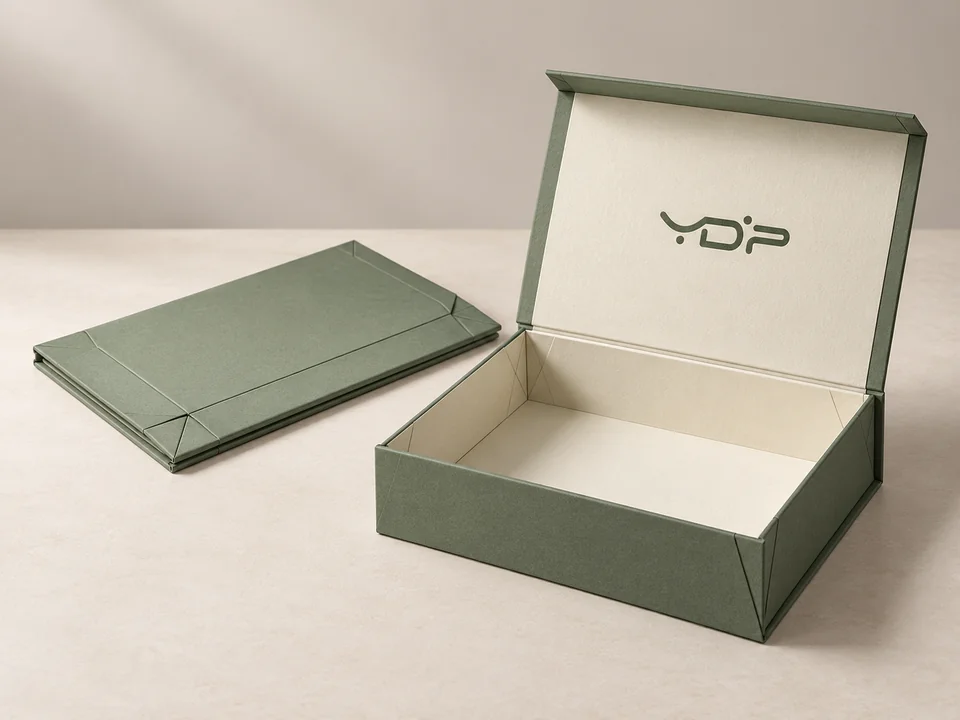
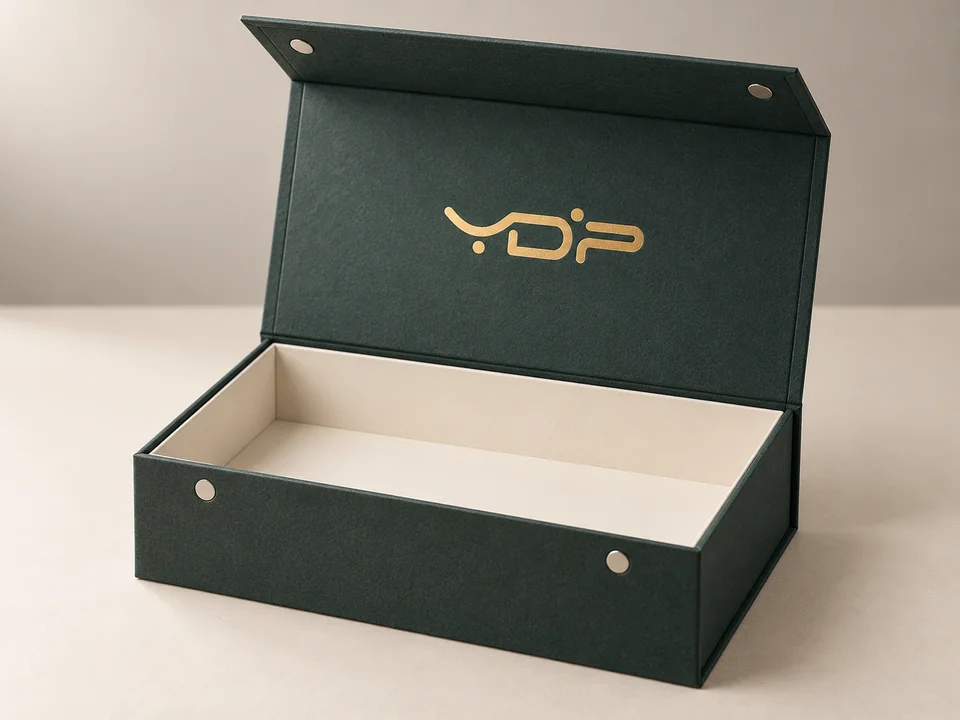
A magnetic flap can be considered with a fixed or collapsible construction.
Consider for: Presentation boxes and reusable gift packaging with an attached lid.
Variants & sample checks
Supply format Delivery format follows the chosen base construction. Specify the number, location and covering of magnetic components in the reviewed design.
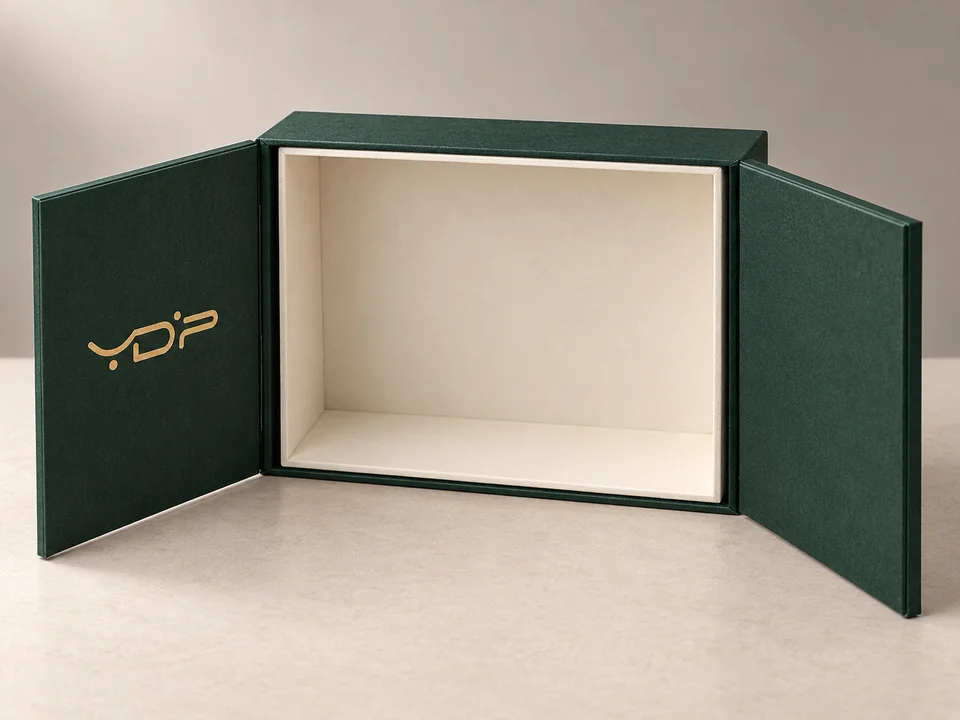
Fixed rigid construction
Magnets can close a hinged rigid box while its structure remains formed.
Collapsible rigid construction
Magnets may close the lid; corner connections still determine how the box assembles or collapses.
Check on the sample
Align the mating closure points on the loaded box.
Review opening effort, flap reach and product clearance.
Decide how the complete pack is secured for dispatch; magnets are not a transport lock.
Images show example constructions and features, not approved production drawings. The dieline, material, closure, product fit and performance checks are agreed with your project sample.
A BOX IS A COMBINATION
Structure, opening, closure.
These 12 names are useful starting points. Some describe how the box is built, while magnetic closure and a window can be combined with other structures.
Book-style structure
+
Magnetic closure
=
One box combining both choices
The closure can change without changing the basic opening.
Structure
Rigid, collapsible, folding or tubular.
Opening
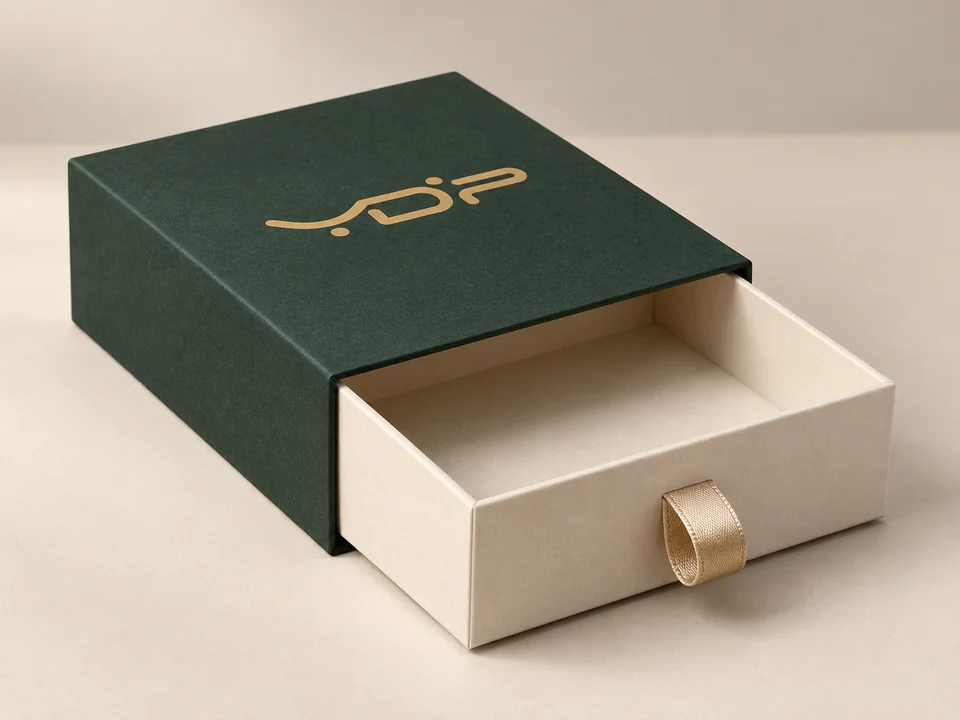
Lift-off lid, drawer, hinged lid or tuck flaps.
Closure
Fit, tuck, magnets or another approved method.
PAPERBOARD CARTON VARIANTS
Choose the bottom as well as the shape.
A similar outside shape can use different flap arrangements. Compare loading, assembly and filled weight before choosing the dieline.
Straight tuck end
Top and bottom main tuck flaps hinge from the same side. Agree the loading direction and how the artwork follows the blank.
Two tuck closures · side seam usually glued
Reverse tuck end
The main tuck flaps hinge from opposite sides. Review flap access, orientation and product retention for your packing method.
Two tuck closures · a different flap layout
Snap-lock bottom
Bottom flaps are folded and interlocked during packing. Check the manual assembly sequence, engagement and fit with the loaded product.
Manual locking base · often called a 1-2-3 bottom
Crash-lock / auto bottom
A pre-glued bottom opens into position as the carton is squared. Review glue joints, folded thickness and the loaded sample.
Pre-glued base · assembly differs from snap-lock
Bottom style alone does not establish load capacity. Board, dimensions, glue, insert and product weight belong in the same review. These variants need their own approved dielines.